
Vaping and Vape Devices: Trends, Technology, and User Awareness
Vaping has grown into a widely discussed topic over the past decade, driven by rapid technological innovation and changing consumer preferences. At its core, vaping involves the use of electronic devices that heat a liquid to create an inhalable aerosol. While the concept is relatively simple, the ecosystem surrounding vape devices has become increasingly complex, with a wide range of designs, features, and user experiences.
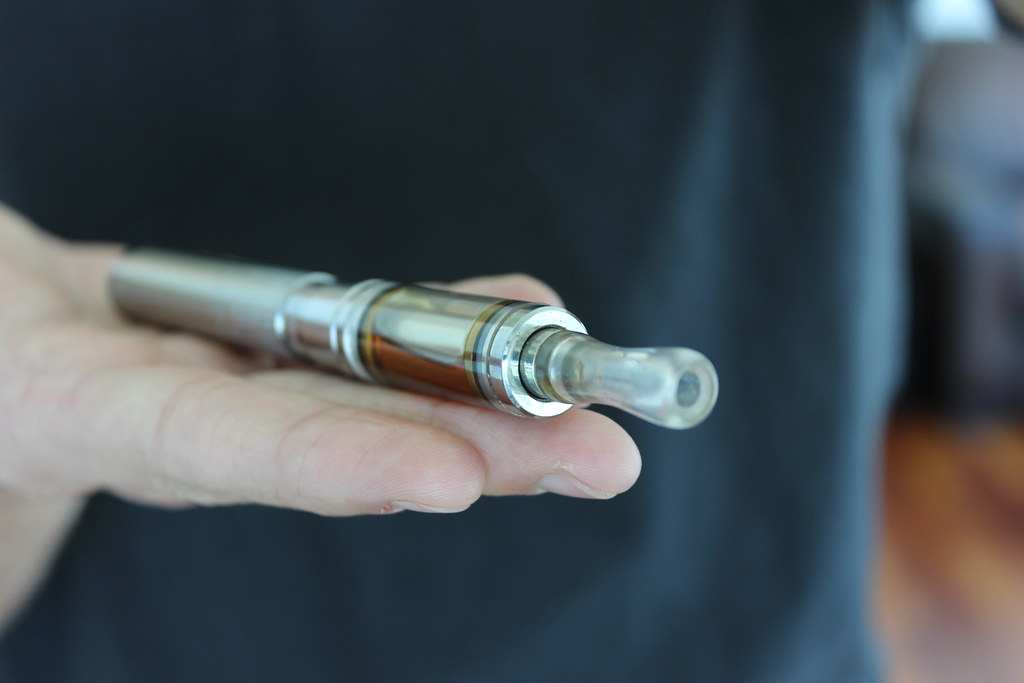
Vape devices are generally built around a few key components: a battery, a heating element, and a chamber or cartridge that holds the liquid. When activated, the device heats the liquid to produce vapor. Over time, these devices have evolved from basic, disposable formats to more advanced systems with adjustable settings and enhanced performance.
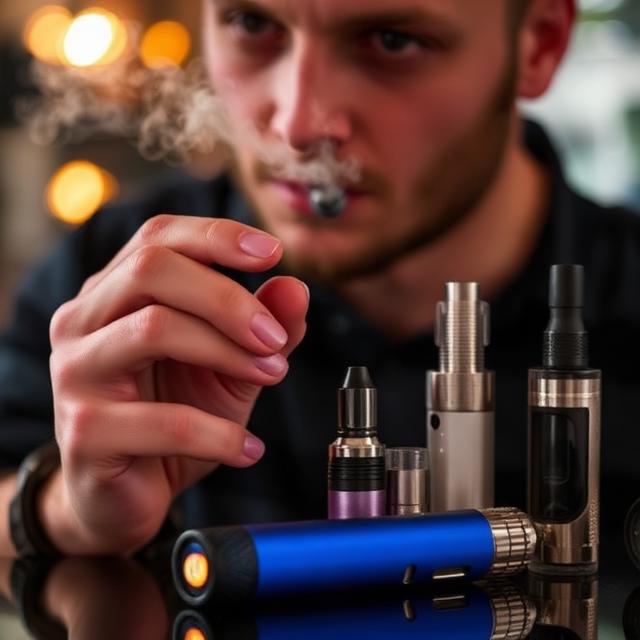
One of the most noticeable trends in the vaping space is the diversity of devices available. Entry-level devices are often compact and designed for simplicity, making them accessible to beginners. These typically require minimal setup and are intended for ease of use. On the other end of the spectrum are more advanced devices that allow users to control factors such as temperature and airflow, offering a more customized experience.
Design has also played a significant role in the evolution of vape devices. Modern devices are often sleek, portable, and discreet, reflecting broader consumer preferences for convenience and aesthetics. Manufacturers continue to experiment with materials, shapes, and finishes, aiming to create products that are both functional and visually appealing.
Another area of development is battery technology. Improvements in battery efficiency and charging capabilities have made devices more reliable and longer-lasting. Fast-charging features and compact power systems allow users to use their devices throughout the day without frequent interruptions. This has contributed to the overall convenience that many users associate with vaping.
Alongside hardware innovation, there has been a growing focus on user experience. Features such as draw-activated mechanisms, LED indicators, and simplified controls have made devices more intuitive. These enhancements reduce the learning curve for new users while still offering flexibility for those who prefer more control.
However, the rapid growth of the vaping industry has also led to increased scrutiny and discussion around health and safety. Public health organizations and researchers continue to study the effects of vaping, particularly in comparison to other forms of inhalation. These ongoing discussions highlight the importance of staying informed and approaching the topic with awareness.
Regulation is another factor shaping the vaping landscape. Different regions have introduced varying guidelines related to product standards, marketing, and accessibility. These regulations aim to ensure product safety and responsible distribution, while also influencing how companies operate within the industry.
The role of digital media in the vaping space cannot be overlooked. Online platforms have become key channels for product awareness, reviews, and community discussions. Users often rely on shared experiences and feedback when exploring different devices. This has created a culture where information flows quickly, but also requires careful evaluation to distinguish between reliable insights and promotional content.
Environmental considerations are also gaining attention. As disposable devices become more common, concerns around waste and sustainability have emerged. This has led to increased interest in reusable devices and more responsible consumption practices. Manufacturers are beginning to explore ways to reduce environmental impact through design and materials.
Looking ahead, the future of vaping technology is likely to focus on refinement rather than reinvention. Continued improvements in safety features, battery efficiency, and user interface design will shape the next phase of development. At the same time, ongoing research and regulatory changes will continue to influence how the industry evolves.
In conclusion, vaping and vape devices represent a dynamic intersection of technology, consumer behavior, and public discourse. While innovation continues to drive the market forward, awareness and responsible engagement remain essential. As the conversation around vaping develops, staying informed will be key to understanding both its potential and its challenges.…